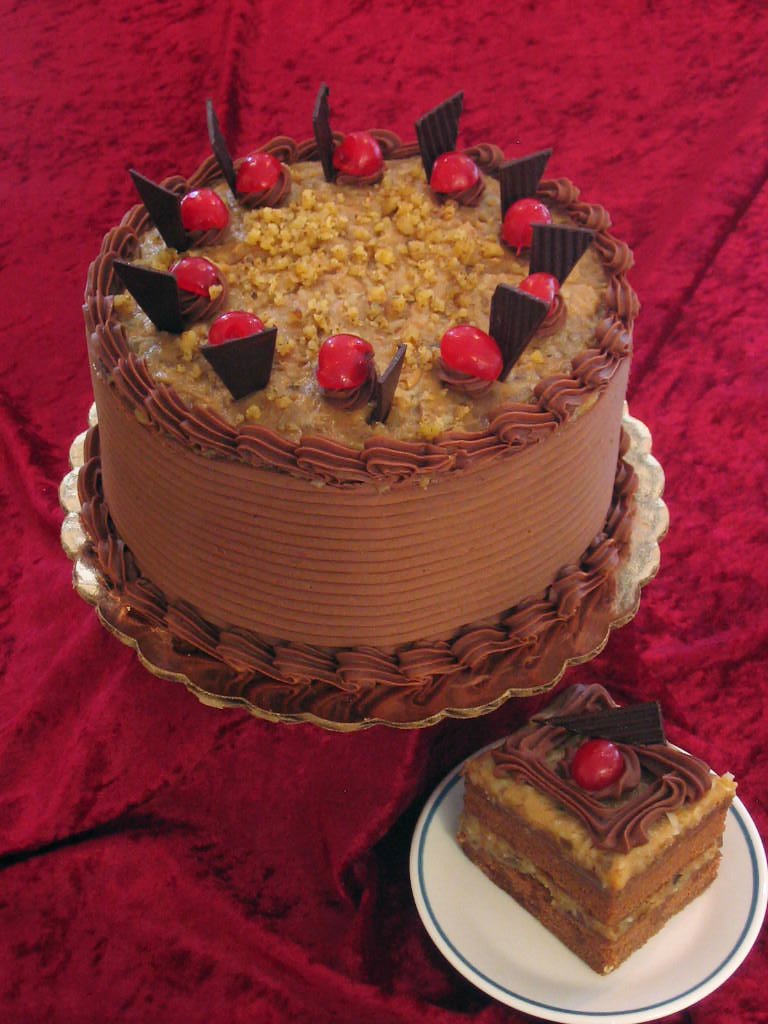
Mastering German Chocolate Cake: Beyond the Recipe
The German chocolate cake, a beloved dessert celebrated for its rich, moist chocolate layers and signature coconut-pecan frosting, holds a special place in the hearts of many dessert enthusiasts. While its name might suggest a European origin, this iconic cake is a true American classic, developed in the mid-19th century by an English-American baker named Samuel German. Its enduring popularity stems from the exquisite balance of deep chocolate flavor with the sweet, nutty, and slightly chewy texture of its unique frosting. If you've explored its fascinating history and perfected the foundational recipe, perhaps through resources like german chocolate cake - Article 1, and delved into advanced baking techniques with german chocolate cake - Article 2, you're now ready to elevate your German chocolate cake game even further. This article focuses on perfecting the details, customizing the classic, and ensuring every slice is an absolute triumph.
Perfecting the Iconic Coconut-Pecan Frosting
The coconut-pecan frosting is, without a doubt, the defining feature of a German chocolate cake. Its creamy, custardy texture, studded with toasted coconut and crunchy pecans, is what sets this cake apart. Achieving the perfect consistency and flavor profile for this frosting is crucial for an authentic experience.
Key Steps for a Flawless Frosting:
- Tempering the Eggs: The frosting relies on egg yolks for its rich, custardy base. To prevent them from scrambling, you must temper them properly. Slowly whisk a small amount of the hot sugar/evaporated milk mixture into the beaten egg yolks before adding the tempered yolks back into the main pot. This gradually raises their temperature, ensuring a smooth, cohesive custard.
- Constant Whisking: Once all ingredients are combined over medium-low heat, continuous whisking is essential. This prevents sticking, ensures even cooking, and helps develop that signature thick, spoonable consistency. Don't rush this process; it can take 10-15 minutes for the frosting to thicken properly.
- Knowing When It's Done: The frosting is ready when it coats the back of a spoon and leaves a clear path when you run your finger through it. It should be thick enough to hold its shape but still spreadable. As it cools, it will thicken further.
- Toasting the Coconut and Pecans: While optional, lightly toasting the shredded coconut and chopped pecans before adding them to the cooled frosting significantly enhances their flavor and aroma. Spread them on a baking sheet and toast in a preheated oven at 300°F (150°C) for 5-7 minutes, watching carefully to prevent burning.
- Cooling Before Assembly: Allow the frosting to cool completely to room temperature before spreading it on your cake layers. This prevents it from melting and sliding off the cake. For faster cooling, transfer it to a shallow dish and stir occasionally.
Beyond the Bake: Serving, Storing, and Enhancing Your German Chocolate Cake
Once your beautiful german chocolate cake is baked and frosted, knowing how to properly serve, store, and even enhance its presentation can make all the difference.
Optimal Serving and Presentation:
- Temperature Matters: German chocolate cake is often best served at room temperature. This allows the cake layers to be moist and tender, and the frosting to be soft and luscious. If refrigerated, let it sit out for 30-60 minutes before serving.
- Slicing Perfection: For clean slices, use a long, sharp knife. Dip the knife in hot water and wipe it clean between each cut. This prevents the frosting from sticking and tearing.
- Elegant Garnishes: Enhance visual appeal with simple garnishes. A sprinkling of extra toasted coconut and pecans, delicate chocolate shavings, or even a drizzle of dark chocolate ganache can elevate each slice. A small dollop of lightly sweetened whipped cream on the side can also provide a lovely contrast.
Storage Solutions:
To keep your german chocolate cake fresh and delicious:
- Room Temperature: If consumed within 1-2 days, cover the cake loosely with plastic wrap or a cake dome and store it at cool room temperature.
- Refrigeration: For longer storage (up to 5-7 days), refrigerate the cake in an airtight container. The frosting, with its egg and dairy content, benefits from refrigeration. Bring to room temperature before serving for the best flavor and texture.
- Freezing: German chocolate cake freezes beautifully. For individual slices, wrap each tightly in plastic wrap, then aluminum foil. For a whole cake, freeze unwrapped until firm, then wrap tightly in plastic wrap and foil. It can be stored for up to 2-3 months. Thaw overnight in the refrigerator before bringing to room temperature.
Customizing Your Classic: Variations and Creative Twists
While the traditional german chocolate cake is a masterpiece in itself, there's always room for creative interpretations. These variations can cater to different tastes, occasions, or dietary considerations.
Cake Layer Innovations:
- Deeper Chocolate: Enhance the chocolate intensity by using a combination of natural and Dutch-processed cocoa powder, or incorporating finely chopped dark chocolate into the batter.
- Coffee Boost: A small amount of strong brewed coffee or espresso powder can deepen the chocolate flavor without making the cake taste like coffee.
- Buttermilk Magic: Using buttermilk in the cake batter can result in an exceptionally moist and tender crumb.
Frosting Embellishments:
- Spiced Nuts: Experiment with lightly spiced pecans (cinnamon, a pinch of cayenne) for an intriguing flavor profile.
- Boozy Notes: A splash of bourbon, rum, or a liqueur like Kahlúa can add a sophisticated touch to the frosting. Add it after the frosting has cooled slightly.
- Chocolate Drizzle: A dark chocolate ganache drizzle over the coconut-pecan frosting adds another layer of chocolatey goodness and visual appeal.
Alternative Presentations:
- German Chocolate Cupcakes: Bake the cake batter in cupcake liners and frost individual cupcakes for easy serving.
- Bar Cookies: Spread the cake batter into a sheet pan, bake, and then top with the coconut-pecan frosting for a convenient bar cookie format.
- Mini German Chocolate Cakes: Use smaller cake pans or ring molds for individual mini cakes, perfect for dinner parties.
Troubleshooting Common German Chocolate Cake Challenges
Even experienced bakers can encounter hiccups. Here are solutions to common issues you might face when making your german chocolate cake:
- Dry Cake: Overbaking is the usual culprit. Ensure you're using an accurate oven thermometer. Start checking for doneness a few minutes before the recipe suggests. The cake is ready when a wooden skewer inserted into the center comes out with moist crumbs, not wet batter. Using buttermilk can also help retain moisture.
- Runny Frosting: This often means the frosting wasn't cooked long enough, or the heat was too low. The custard needs to reach a certain temperature (around 160-170°F or 71-77°C) for the egg yolks to properly thicken it. Don't be afraid to cook it a little longer over medium-low heat, stirring constantly, until it visibly thickens.
- Frosting Tastes Scrambled: If your frosting has a grainy or "scrambled egg" texture, it means the egg yolks weren't tempered properly or were added too quickly to a hot mixture. Remember to gradually add hot liquid to the yolks first.
- Cake Crumbles When Slicing: A very tender cake can be prone to crumbling. Ensure the cake is fully cooled before frosting and slicing. Chilling the frosted cake for 20-30 minutes before slicing can also help firm up the layers and frosting, resulting in cleaner cuts.
- Uneven Cake Layers: Leveling your cake layers with a serrated knife or a specialized cake leveler creates a more professional and stable final product. Ensure your oven rack is level and your cake pans are not warped.
Conclusion
The journey of mastering the German chocolate cake is a rewarding one, filled with the aroma of rich chocolate and the sweet satisfaction of creating a truly iconic dessert. By focusing on the finer details of the coconut-pecan frosting, exploring creative serving and storage techniques, and daring to introduce thoughtful variations, you can elevate your baking prowess. Don't be afraid to troubleshoot and learn from each bake – every attempt brings you closer to your perfect slice. Whether you stick to tradition or infuse it with your unique twist, the German chocolate cake remains a testament to timeless deliciousness, ready to be enjoyed and shared.
